
Increasing Your Creativity: Why Being Creative Matters
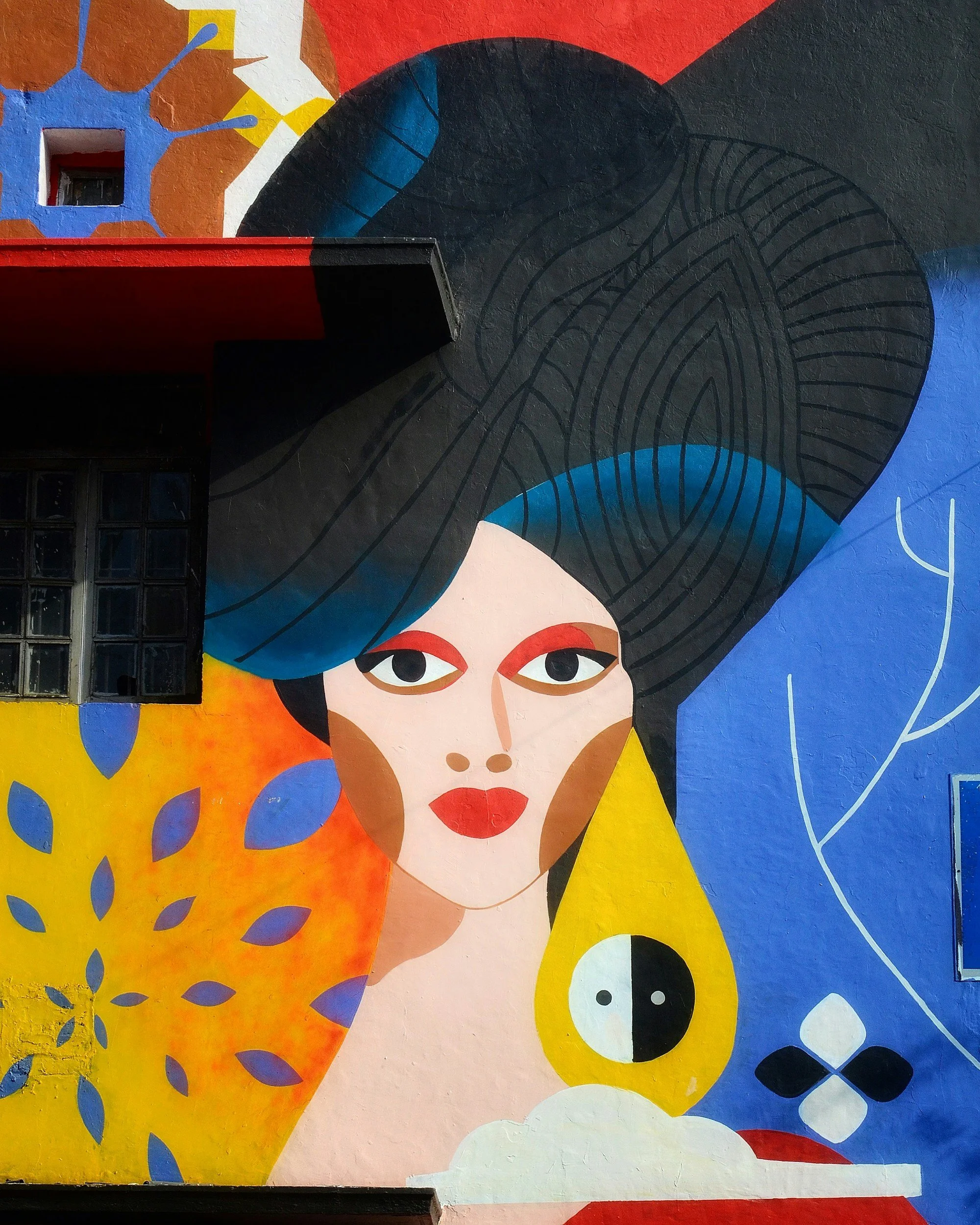
Creativity does more that create pretty music and pretty pictures, it enhances brain function and feelings of satisfaction with life.
It opens novel ways of thinking, increases a sense of joy and purpose, and can act as an outlet for thoughts and feelings.
Anyone and everyone has some level of creativity, and that level can be increased. The hard part, for most of us, is that we’ve shut down our desire to play with creativity when we were young.
Creativity is one of the most powerful forces in human life, offering benefits that extend far beyond art and self-expression. At its core, creativity is a problem-solving tool, allowing us to approach challenges from unexpected angles, generate novel solutions, and adapt to change with flexibility and resilience.
People who cultivate creative thinking tend to be better at handling uncertainty, because creativity trains the mind to see possibilities rather than dead ends. Whether in business, science, education, or everyday life, the ability to think creatively is increasingly recognized as one of the most valuable skills a person can develop.
Beyond its practical advantages, creativity also has profound effects on mental and emotional well-being. Engaging in creative activities, like writing, painting, cooking, or building, provides a sense of flow, that deeply satisfying state of being fully absorbed in a meaningful task. This state is closely linked to reduced stress, improved mood, and a stronger sense of purpose.
Creativity also fosters connection: sharing something you've made opens a window into your inner world, building empathy and understanding between people. In this way, creativity isn't just about making things. It's about living more fully and engaging more deeply with the world around us.
Are You Born with It?
So often, people have been told they don’t have talent. We’re told that only creative geniuses should bother, and that’s not you. The good news is, you don’t have to be a genius at a creative activity; you only need to have fun while giving it a shot.
Certain personality traits have been linked to creative people. Anyone can foster these traits to improve the flow of creativity in their life. There’s nothing but upside when you do!
Here is a look at traits you can develop:
Growth Mindset
Do you think people are born with an aptitude for certain creative abilities? Or, do you think anyone can learn to paint, play guitar, or write poetry? Whichever belief you subscribe to, this is your mindset.
A person who thinks creativity is something people are born with (or without), something that can’t be changed, has a fixed mindset. Alternatively, anyone who sees creativity as something anyone can learn to improve has a growth mindset.
A growth mindset is vital to improving creativity. The idea here is to shift your thinking from “I can’t, I have no innate talent” to “sure, why not see what I can accomplish with practice.” This shift in belief opens the doors to learning a creative activity without the need to feel gifted by genetics or some divine spark to get started.
2. Learning Goals
Similar to having a growth mindset, having your focus on practice, not product, allows you to start badly. If you’ve never drawn more than a stick figure, you can’t expect to be an expert at your first serious attempt at something more complicated.
Western culture tends to focus on performance goals, or what you might think of as the outcome - the final product. If you focus on drawing a perfect rendition of your dog and can’t come close, you give up.
Having a learning goal means that you intend to improve, not create something perfect (or even good). You plan to learn some basic skills, have fun trying, and watch your progress over time, with practice. The expectation is on improving, not the finished product. Doesn’t that sound like a lot less pressure on yourself?
3. Intrinsic Motivation
Intrinsic motivation means you’re motivating yourself. You’re doing the creative task because you want to do it, for the pure enjoyment of it. The opposite is an extrinsic motivation, or doing something because you have to do it for work or the like. If you stick to intrinsic motivators, your focus is on the enjoyment of doing something because you want to.
Of course, building intrinsic motivation into your workday is possible. Sure, you need to produce whatever is being asked of you, but you can still decide to enjoy it for yourself. Find a way to impress yourself, and it turns into an intrinsic motivation, even if it’s also an extrinsic one as well.
Use these creative traits when approaching a new creative pursuit. Call to start those guitar lessons, knowing you may not show great aptitude at first, but who cares? You’re there to have fun, watch your progress, and love every minute of it.